
Flexible PCB/FPC Manufacturing
AUSPI offers a wide range of PCB services, including flex FPC, rigid-flex, and rigid PCB fabrication, ensuring that we can cater to diverse project requirements.
Flex PCB is the Future Trend
Flex and rigid-flex PCBs are widely used across various industries due to their unique combination of flexibility, durability, and design versatility.
Applicable for wearable devices, medical equipment, aerospace and defense systems, automotive systems, consumer electronics, industrial automation, and telecommunications.

- Quick-turn flexible PCB prototype
- Guaranteed Quality
- Highlighted Capabilities
- Reasonable Price
- Global Footprints
Extensive Manufacturing Expertise
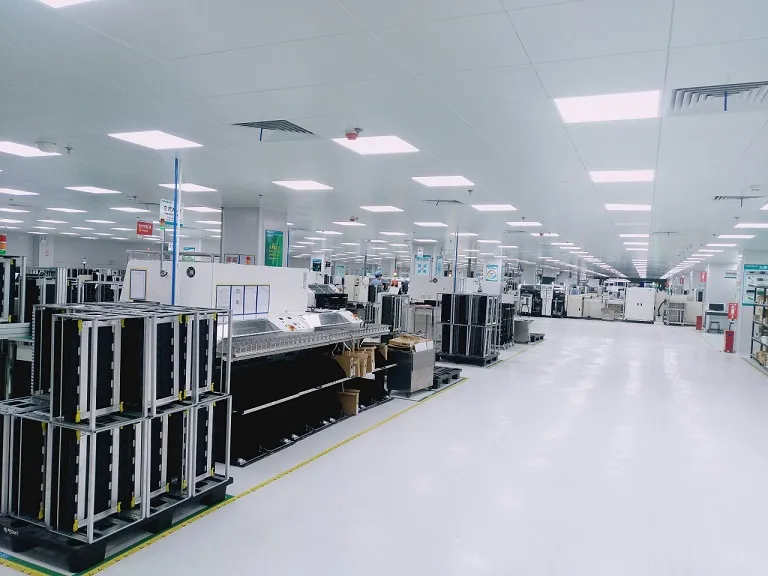
Auspi offers a comprehensive suite of manufacturing capabilities, encompassing prototype development, replication, batch production, Surface Mount Technology (SMT) assembly, and meticulous quality assurance testing.
Our skilled and dedicated team is committed to delivering exceptional service and support tailored to your flexible PCB requirements.
- Single-Layer Flexible PCBs
- Double-Layer Flexible PCBs
- Multilayer Flexible PCBs(up to 12 Layers)

ONE-STOP SOLUTIONS FOR ALL
FPC Design
We are proud to design more than 100+ projects a year, most of which are complex high-end FPC.
FPC Prototyping
Prototyping built under the ISO and IPC quality standards.
Procurement Material
With rich experience in manufacturing for high complexity and special materials FPC.
PCB Assembly
Consignment, full turnkey and partial turnkey assembly services.
Quality Control
- Raw Material Guarantee.
- Pre-production Inspection.
- In Process Quality Control.
Upload Your BOM and Gerber Files for a Quick FPC Quotation
The BOM should include:
- Supplier and Part #
- Reference Designator
- Description
- Package Type (footprint)
.xls, .xlsx, .csv, or tab-delimited file format is required for the Bill of Materials (BOM).
We prefer files in the Gerber RS-274X format.
For assembly, we need at a minimum:
- Silkscreen
- Copper layers
- Solder paste layers
- Preferably you should send us all Gerber files generated by your CAD program.
Trusted by Industry Leaders
Engineers at the world’s industry leading companies choose AUSPI for the highest quality PCB design support services, in multiple countries..
We are capable of manufacturing various types of FPC (Flexible Printed Circuit Board/Flexible PCB) with different specifications.
Our flexible PCBs can have a thickness ranging from 0.07 to 7mm, a layer count ranging from 1 to 30 layers, and copper thickness ranging from 0.25 to 4oz, among other features.
If you have custom design requirements, we can also tailor our production process to meet your needs.
Assembly Options
We can manage all types of PCB assembly jobs including surface mount (SMT), thru-hole (THT) and a hybrid of both. We also offer single or double-sided placement.
At no additional cost we are happy to deliver first article samples of 1-5 pieces for customer approval before building the rest.
Our high-speed equipment takes 2-6 hours to set up for a new job, and 1-3 hours to re-set up for repeat orders. If manual placement will take less time than high-speed machine placement then we may opt to take that route. The quality is the same but the cost is much less and we pass those savings to our customers.
Power On Testing & Programming
We are capable of program ingproduction boards and designing test fixtures to ensures high quality and performance right out of the factory.
Rigorous Quality Assurance
Our pledge is to deliver superior quality flexible PCBs that not only meet but exceed your expectations. Through stringent quality control measures, we ensure every product undergoes exhaustive reliability and performance evaluations. Our adherence to ISO9001 and ISO14001 certifications guarantees our manufacturing processes adhere to the utmost quality and environmental standards.
Adaptable Services
Operating primarily within the OEM manufacturing framework, Auspi is equipped to handle a variety of manufacturing needs from prototype and mass production to small-batch manufacturing and contract orders, accommodating a wide range of market demands. Our team is unwavering in its commitment to providing unparalleled service and support, regardless of your project’s specifics.
Flexible Order Quantities
At Auspi, we believe in providing exceptional quality service and support to every client, irrespective of order size. This is why we offer flexible order quantities and batch sizes, enabling you to procure the exact quantity you need without compromising on quality or service. From prototype batches to extensive production runs, we stand ready to fulfill your flexible PCB manufacturing needs, accepting orders starting from as small as 1 square meter.
Prompt Delivery
Our streamlined manufacturing processes are designed for maximum efficiency, ensuring rapid and effective production of the flexible PCBs you require. Leveraging our extensive industry experience, we are poised to swiftly address your needs with optimal solutions. Our comprehensive, one-stop solutions cover everything from component and material sourcing to expedite the business cooperation process, minimize lead times, and guarantee timely delivery of your products.
FAQs
Flexible FPC vs. Rigid-Flex PCBs Comparison
The primary advantage of flexible materials lies in their low weight, superior insulation capabilities, and resilience under extreme temperatures. Their capacity to bend distinguishes them significantly from rigid PCBs.
On the other hand, the simpler production process and substantially lower cost of materials make rigid PCBs a preferred choice for many.
Why Use Flexible PCBs?
The flexibility to bend is a pivotal factor in choosing flexible materials for PCB design, accommodating both static bent installations and dynamic flexing applications. Their light weight and exceptional potential for miniaturization are also key considerations.
Can Flexible Circuit Boards Withstand Extreme Temperatures?
Flexible circuit boards are designed to endure temperatures ranging from -200°C to 400°C, making them ideal for applications such as borehole measurements in the oil and gas sector.
This high temperature tolerance is often paired with excellent chemical resistance and robust resistance to radiation and ultraviolet light. The capacity for impedance control in high-density designs further enhances the appeal of flexible circuits for manufacturers.
Rigid-Flex PCB Technology and Manufacturing Insights?
The production of rigid-flex PCBs, whether for prototypes or mass production, is a well-established and reliable process. The flexibility of the flex portion excellently addresses challenges related to space and weight, offering unique spatial configuration options.
Early engagement with rigid-flex solutions and thorough exploration of options during the design phase of a rigid-flex PCB project can yield significant advantages. It’s critical for the fabricator to be involved from the outset to ensure seamless integration of the design and fabrication stages and to accommodate any variations in the final product.
The manufacturing process for rigid-flex PCBs is notably more intricate and time-consuming than that for rigid boards, with the flexible components requiring distinct handling, etching, and soldering techniques compared to traditional FR4 boards.
Meet the AUSPI Global Service Network
AUSPI team locates in USA, MEXICO, San Paolo, Czech, Portugal, St. Peterburg, provides global competitive pricing and fast, accurate production quotes. Scale up and down quickly. We offer inventory management, integrated fulfillment, and system integration.